|
3. A personal dictionary
* Into the tool kit goes a notebook to be used as a personal dictionary for students to keep track of their individual spelling and vocabulary words. Students should be encouraged to look up unfamiliar words they find in their everyday world, and to bring new words to class to challenge their classmates. These words could then be put on the board for the day. Students could be encouraged to find further examples of the use of these words. 4. An address book * Into the kit goes an address book which should contain numbers and addresses for frequently used phone numbers and addresses. * Give instructions and help with using phone books, alphabetization and so on, according to the needs of the students. 5. A resource book * Into each tool kit goes a small binder in which students can keep important sources of information and help. * Have students gather all the resources they can think of, for example, telephone books, government brochures, etc. * Brainstorm three or four topics which students want more information about. * Break students into three or four groups, according to their interests, and assign a topic to each group. Some questions to consider:
* Ask them to list sources of information, with relevant phone numbers, etc. * Ask the group to make a list which can be placed on a wall for others interested in the information. * Share all the posted lists, and allow time for students to record resources and information relevant to them in their personal resource books. * Students might want to do individual exercises in relation to resources they would like included in their kit. Again, invite them to post a list so that they share their information with the group.
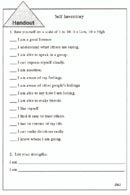
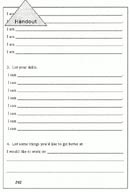
6. Making contacts * After organizing their resource books, ask students to look at how they might make contacts. * Set up role plays in relation to making phone calls, going for visits, conducting interviews, inviting guest speakers in. * Ask them to write letters or send faxes. They might share information that comes back through oral presentations or posters. C. Self-Image Our self-image is the way we see ourselves, based on the messages we have received in the past. Very often society and culture dictate how we should look, dress and act. This pressure can cause us to think we are not as good as someone else when we do not match the images being projected. 1. Self inventory * Ask learners to complete the self inventory * Ask them to look at their answers to question 4, "List some things you'd like to get better at," and choose two or three things that they would like to work on in class. Ask them write down these two or three things and hand the list in, with no name attached.
|
||||||||
| Back | Contents | Next |