|
Another woman said that every woman in her program had been abused and that the abuse had significantly interfered with their schooling. Many of these women have been labelled developmentally disabled - as if that is a label for abuse. Other women said most of the participants in their programs had been emotionally, physically, and sexually abused in the past and that the abuse continues now. This has become an important issue for the programs involved because women often need to talk about their experience before they can break free of it. The literacy worker may be the only person that she trusts. One of the women in this session asked several questions. How do you deal with this? How do you feel? Do you feel adequate? These questions prompted another to ask, "What's adequate?" A discussion then followed about the lack of affordable, accessible community agencies for women and the often untrained or unprepared staff in the agencies that do exist. Women acknowledged that those who experienced abuse may be the most effective at helping others take the first steps of healing. Some women felt they didn't have the skills required to help the women move beyond that point. They wanted access to good counselling services. Others felt that anyone is qualified to help if they are willing to believe, support, and accept what the women say. As can be seen in the completed web charts on the opposite page and next page, many other issues arose - issues of inadequate space, men's questions about their exclusion from groups discussing abuse, the differences in power between instructors and students, labeling, and how women who work on women's issues are perceived by others. In the third group, women began discussing how they might facilitate women's disclosure of violence. Some women said they often know women in their programs are experiencing violence, but they don't know how to raise the issue if the women involved don't mention it first. Others questioned how far they should go in directing or commenting on statements made by students in the classroom. Much of the discussion focused on the differences between teacher and student interpretations of the same event. One woman said she is often the only person in her classroom to interpret white male behaviour as aggression. This stimulated further discussion about how instructors can introduce women's issues into the classroom when these issues are not considered appropriate course content. 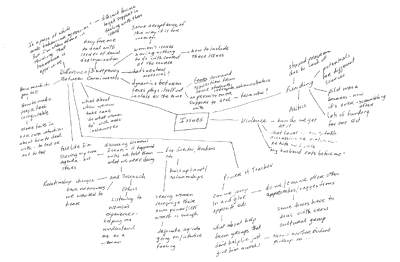
Some women said that they have no permission or support to question classroom dynamics between men and women students. This led participants to wonder whose agenda would be served by such questions - the teacher's or the students'? They asked who might be expected to give them permission and support? How much do they want to tell those in more powerful positions about what they are doing? |
| Back | Contents | Next |