|
D. Neighbourhood 1. Guided discussion
* Using the blackboard to record answers for the whole group, or asking learners to divide into pairs, find out:
* Invite learners to discuss their homes, their neighborhoods and the things that occur there every day. Some questions to consider:
2. Collages, maps and other visuals * Map reading is a skill needed in a number of connections. Making a map of the area surrounding the learning centre or meeting place is one way of developing that skill; as well, map making gives learners more information about the area. The group could go on a walkabout and discuss what they have seen - shops, bus stops, offices, parks, etc. The tutor can make the basic framework for the map and have learners complete and label it, or learners can make the entire map themselves. They can then be asked to generate maps of the areas immediately surrounding the places where they live, visit or like to spend time. * Learners can practice reading maps during or after the exercises in map making. There are many maps that the learners or tutor can bring in - transit maps, city maps, maps that advertise particular businesses, road maps and so on. Some things to do:
3. A neighbourhood survey
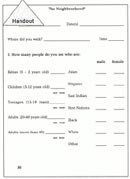
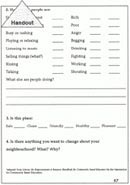
* Ask learners to fill in the survey form (pages 46 - 47).
* After the data is collected, see if opinions among learners are similar or different. Ask if friends, or others in their households, share learners' opinions and observations of their neighbourhoods, or if they have different ideas about the people and environment in their neighbourhoods. * After discussing their findings, you may want to invite local representatives, service workers and others to discuss questions and problems, if any, that arise from the survey, such as:
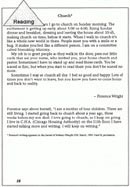
* Follow-up work could include letters to local newspapers reporting on problems and/or solutions to particular issues in the community. 4. Reading: "Church" Florence Wright's story may encourage women to look at ways in which support may already exist for them within their communities and/or how they might work to build better support networks themselves. * Read the story (page 47) with the group.
|
| Back | Contents | Next |